Share this article
Surveying Equipment Rental vs. Buying: How to Decide
Surveying equipment rental makes the most sense when you need an instrument for a short project, a seasonal workload spike, or a trial before you commit to a purchase. Buying is usually the better choice when the instrument will be used week after week, your crews depend on it for core work, and you want full control over its setup and maintenance. The right answer comes down to utilization, project timelines, cash flow, and how much support your team needs.
What should you consider before renting or buying surveying equipment?
Before comparing costs, get clear on how the instrument will actually be used. A total station that sits in the truck three days a month is a very different investment from one that runs on every job.
Start with these questions:
- How often will you use it? Estimate realistic field days per month for the next 12 months, not just the current project.
- What work will it do? Construction stakeout, boundary, topographic, control, as-built, and scanning work each place different demands on equipment.
- How long is the project? A two-week job and a six-month contract call for different decisions.
- Does it fit your current workflow? Consider data collectors, field software, coordinate systems, and how data moves into your office software.
- Who will run it? A familiar instrument reduces learning time. A new technology may need training before it pays off.
- What happens if it goes down? Think about how much downtime your schedule can absorb and how quickly you can get a replacement.
When does surveying equipment rental make sense?
Renting gives you access to working equipment without a long-term commitment. It is often the practical choice in the following situations.
Short-term or one-off projects
If a client needs a scope of work your crews don't perform often, such as a scanning deliverable or a large stakeout push, renting lets you take the job without buying an instrument you may rarely use afterward.
Seasonal peaks and extra crews
Many Texas firms see workloads rise and fall with development cycles, weather, and public project schedules. A total station rental or GNSS receiver rental can put an extra crew in the field during a busy stretch without adding permanent equipment to your fleet.
Backup during repairs or calibration
When an instrument is out for service, a rental keeps the crew working. This is especially useful when a primary total station or rover needs calibration and service in the middle of an active project.
Trying new technology before buying
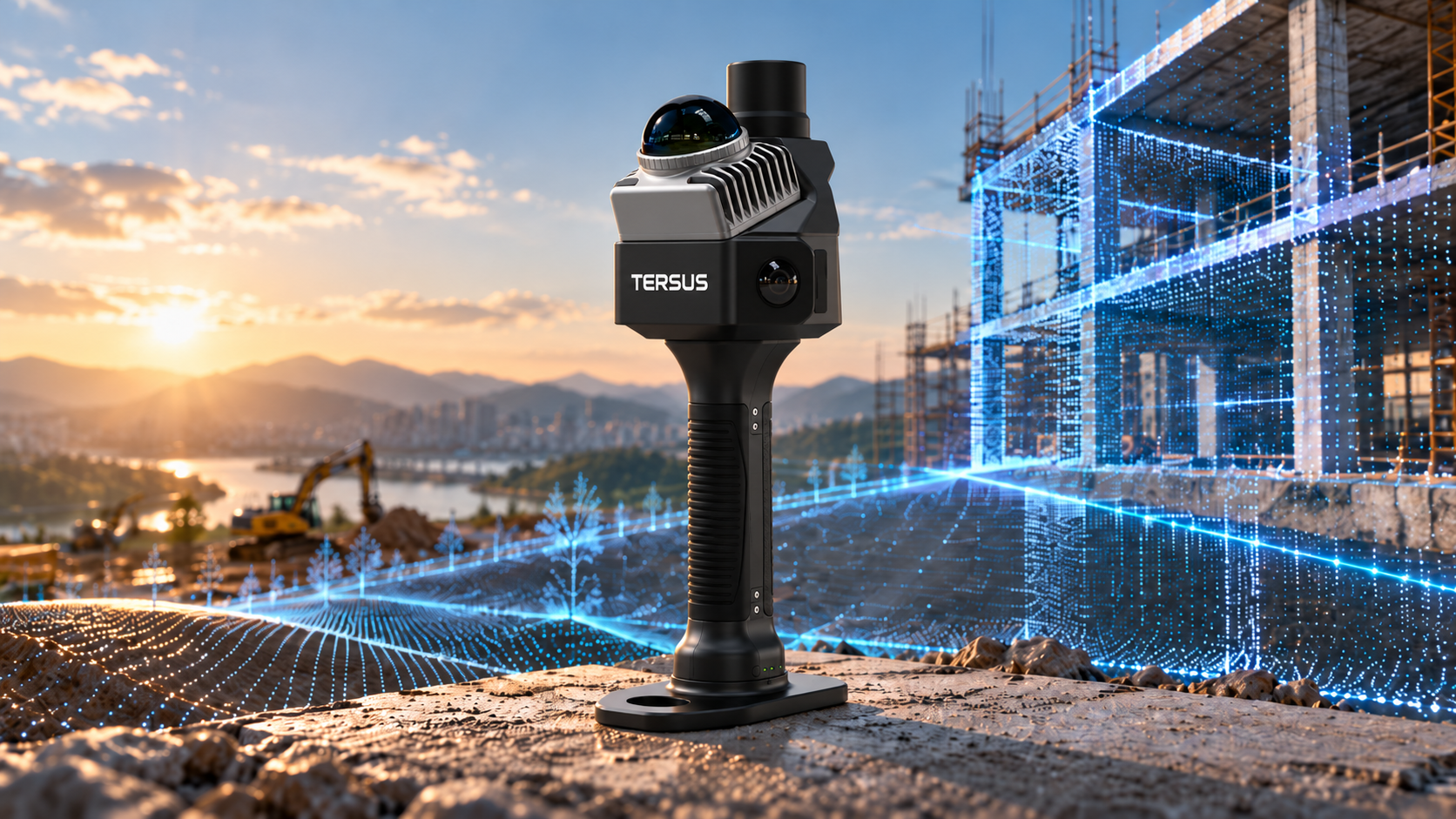
Renting is a low-risk way to test a workflow before committing. A 3D laser scanner rental, for example, lets your team see how scanning fits your deliverables, processing time, and client expectations. The same applies to GNSS receivers with tilt compensation or visual positioning features.
When is buying surveying equipment the better choice?
Ownership tends to win when an instrument becomes part of your daily operation.
High utilization
If your crews use an instrument on most working days, rental fees can add up quickly over a year. Owned equipment is available whenever the crew needs it, with no reservation or return schedule to manage.
Consistent configuration
Owned equipment can be set up exactly the way your firm works: coordinate systems, job templates, code libraries, correction settings, and data collector preferences. That consistency reduces setup errors and training time.
Long-term client relationships
Firms with steady work for the same developers, municipalities, or contractors often benefit from owning the instruments those projects rely on. You control the maintenance history and know exactly how each instrument has been handled.
Planned maintenance
Buying also means owning the responsibility for care. Budget for routine checks, periodic calibration, batteries, and accessories so the instrument stays reliable in the field.
How do you compare the true cost of renting vs. buying?
Purchase price and rental rates are only part of the comparison. A fair rent vs. buy analysis looks at the full cost of keeping an instrument productive.
Costs to factor in when buying
- Purchase price and any financing costs
- Data collector, software, and correction service subscriptions
- Tripods, poles, bipods, prisms, batteries, and cases
- Calibration and service over the life of the instrument
- Training time for new users
- Storage, insurance, and replacement of lost or damaged accessories
Costs to factor in when renting
- Daily or weekly rental rates for the full project length, including setup and travel days
- Any accessories or data collectors not included in the rental
- Time spent picking up, returning, and learning the instrument
- The risk of availability conflicts if you need the same equipment on short notice
Once you have realistic numbers for both columns, compare them against your expected field days. If projected rental costs over a year approach the cost of owning and maintaining the instrument, buying is likely the better long-term decision. If the instrument will sit idle most of the year, renting usually keeps more cash available for other needs.
Which surveying instruments are commonly rented?
Most categories of field equipment can be rented, but some are rented more often because they are high-value or used for specialized work.
Total stations
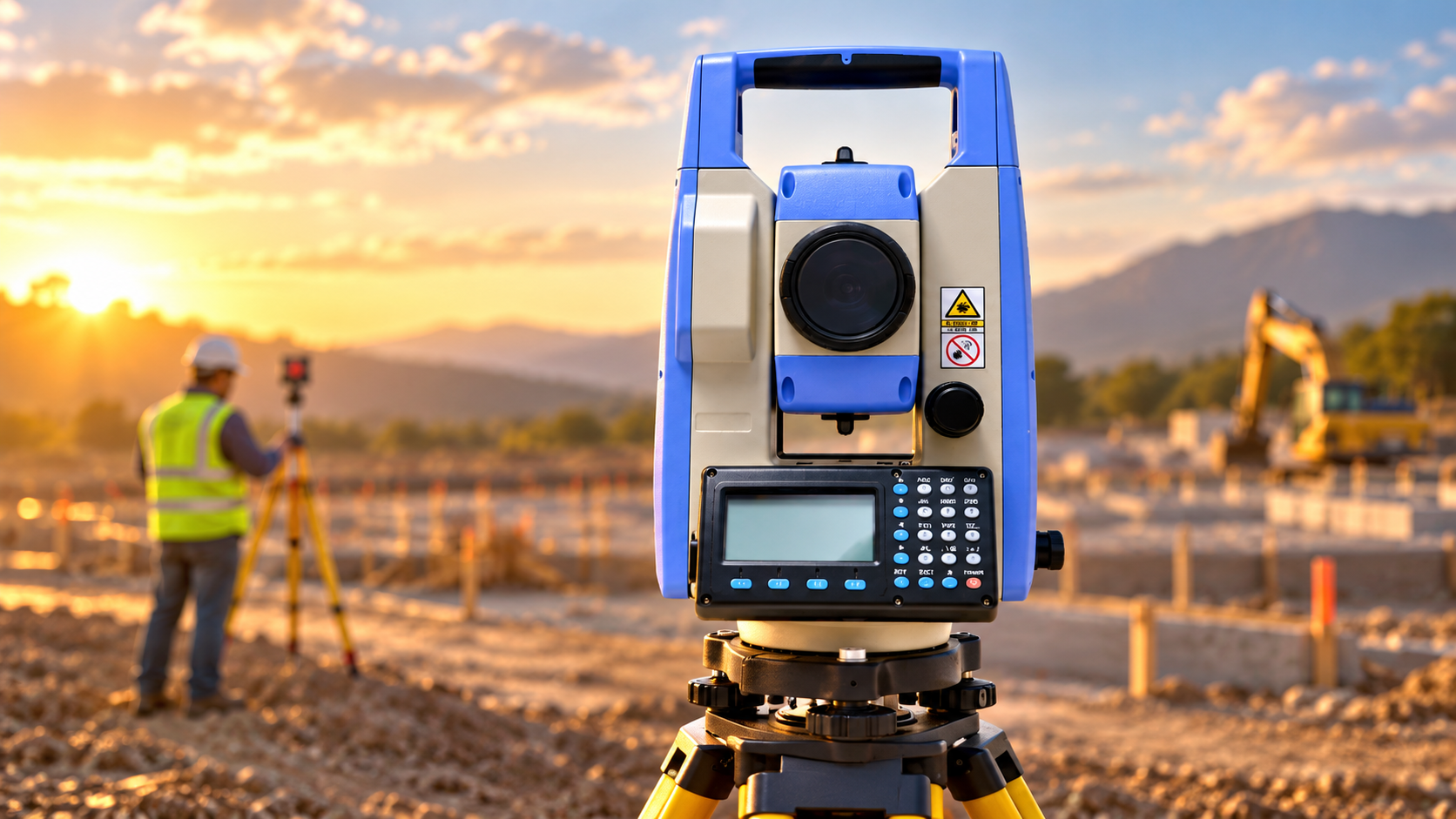
A total station rental is common when a firm needs an extra instrument for stakeout, layout, or topographic work, or when an owned instrument is out for service. Confirm the instrument type, angular accuracy, and data collector compatibility before the project starts.
GNSS receivers
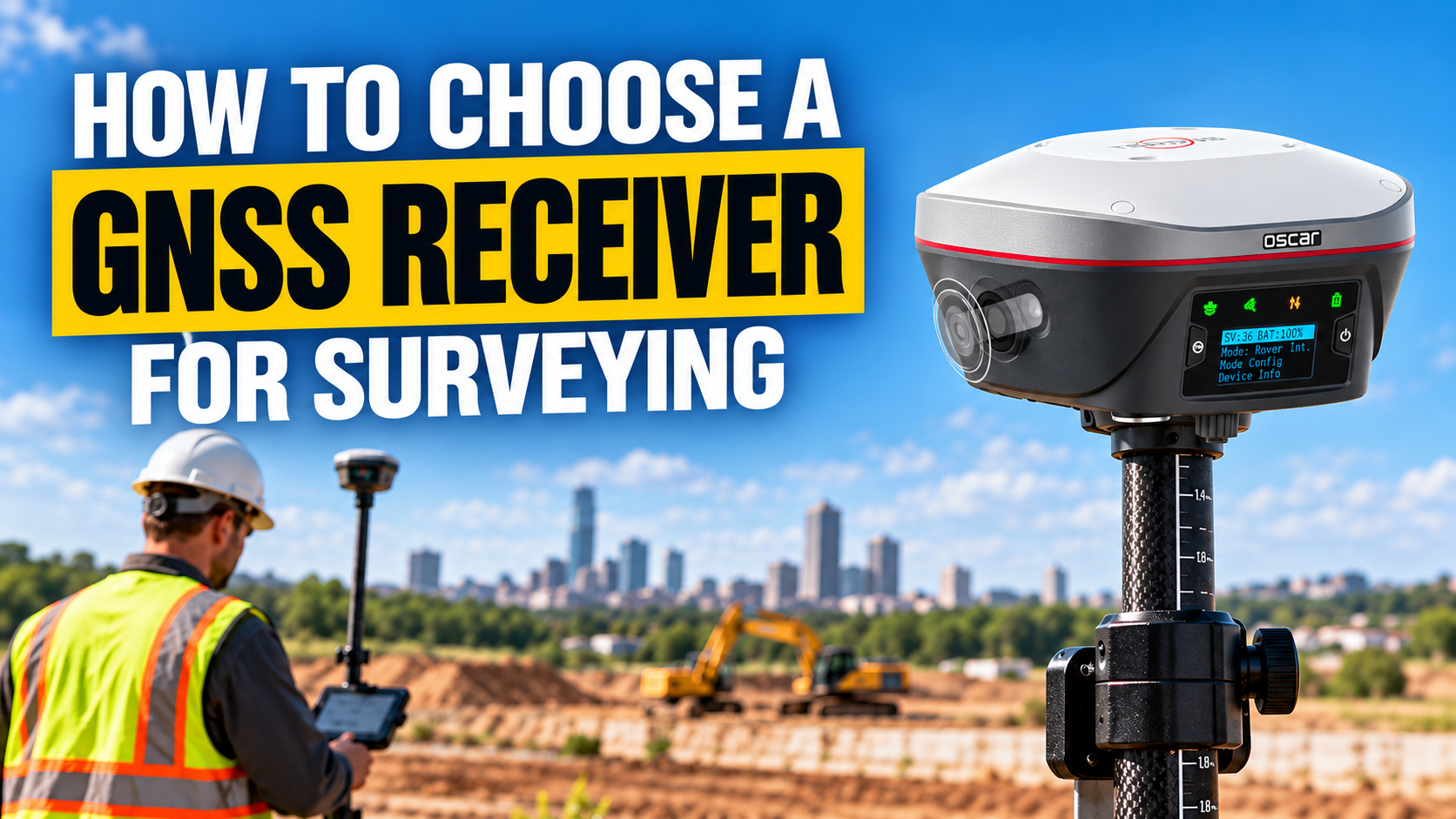
GNSS receiver rental is useful for adding a rover, covering a short RTK project, or testing features like IMU tilt compensation. Ask whether RTK corrections, a pole, a bipod, and a data collector are included. For help choosing features, see our guide on how to choose a GNSS receiver for surveying.
Why does calibration matter for rented and owned equipment?
Whether you rent or buy, accurate results depend on an instrument that is in adjustment. When renting, ask how the equipment is maintained and checked before it goes out. When you own equipment, schedule regular surveying equipment calibration and do quick field checks before critical work, especially after an instrument has been dropped, shipped, or exposed to heavy vibration and heat.
Calibration does not replace good field procedure. Check into known control, verify setups, and document your checks so you can stand behind your measurements.
A rent vs. buy decision checklist
Use this checklist before your next equipment decision:
- Estimate realistic field days per month for the next 12 months.
- List the projects and deliverables the instrument will support.
- Confirm compatibility with your data collectors, software, and coordinate systems.
- Total the full cost of ownership, including accessories, subscriptions, and calibration.
- Total the expected rental cost, including setup, travel, and buffer days.
- Decide how much downtime your schedule can tolerate and how you would cover it.
- Consider renting first if the technology or workflow is new to your crew.
- Talk with a local supplier about availability, support, and service options.
Frequently asked questions
Is it cheaper to rent or buy surveying equipment?
It depends on utilization. Renting is usually more economical for short projects, occasional use, or testing new technology. Buying tends to cost less over time when an instrument is used regularly and maintained well.
Can I rent surveying equipment to try it before buying?
Yes. Renting is a practical way to evaluate how an instrument fits your workflow, software, and crew before making a purchase. Ask your supplier whether rental experience can help guide a future buying decision.
What should be included in a GNSS or total station rental?
Confirm what comes with the instrument before you reserve it. Depending on the equipment, a rental may include a data collector, pole, bipod, batteries, chargers, and access to RTK corrections. Clarify anything that is not included so the crew is not missing a key item on day one.
Where can I rent surveying equipment in Round Rock or Austin, Texas?
United Surveying Supplies offers surveying equipment rentals from our Round Rock location, serving surveyors, engineers, and construction crews in the Austin area and across Texas. Contact us to check availability for your project dates.
Key takeaways
- Rent when the project is short, the workload is temporary, an owned instrument is out for service, or you want to test new technology.
- Buy when an instrument will be used regularly, needs to match your firm's setup, and supports long-term work.
- Compare the full cost of ownership against realistic rental costs over a year, not just the purchase price.
- Keep both rented and owned instruments calibrated and checked before critical work.
Not sure whether to rent or buy? Browse our surveying equipment, shop field supplies in our online store, or contact United Surveying Supplies at 512-428-6753. Our Round Rock team can help you match the right instrument and option to your next Texas project.
ADDITIONAL HELPFUL INFORMATION